

Plant managers and process engineers use OKRs to improve operational performance by aligning production goals, quality targets, and continuous improvement efforts into a clear, measurable system. With the right structure, OKRs help teams reduce waste, improve throughput, and maintain consistency without adding operational complexity.
Key Takeaways
- OKRs help manufacturing teams focus on outcomes, not just output
- Clear objectives improve coordination across operations, quality, and maintenance
- Regular OKR reviews support continuous improvement and faster issue resolution
- Coaching ensures OKRs stay practical and grounded in plant realities
Why Manufacturing and Process Teams Struggle with Alignment
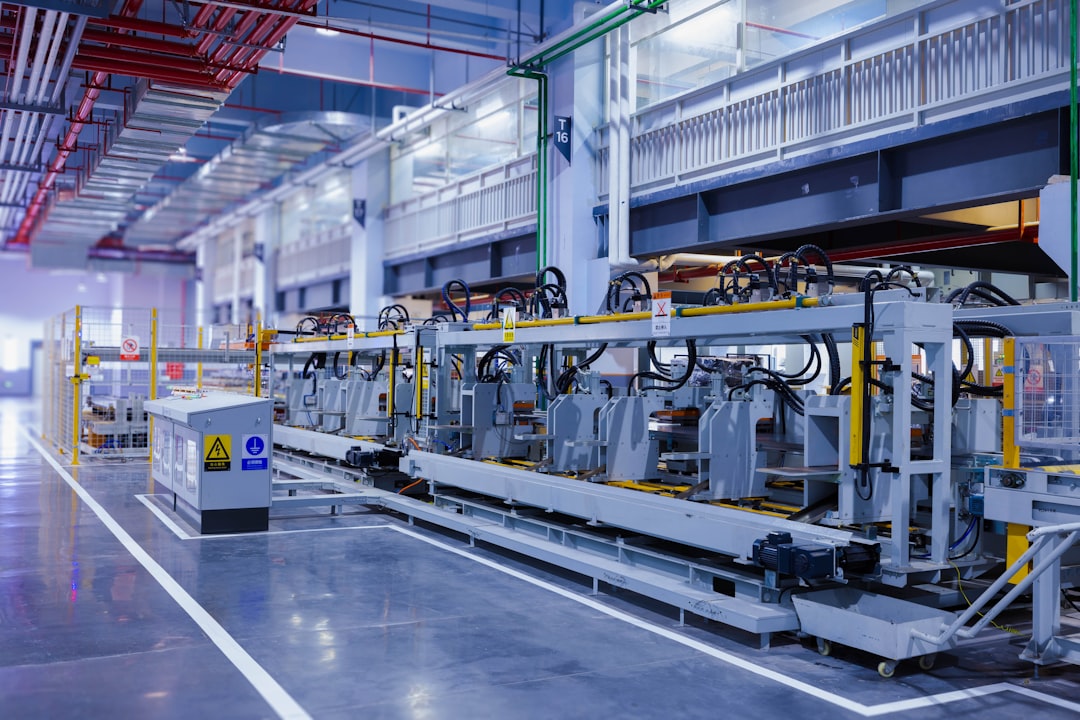
Plant environments are complex. Managers and engineers juggle safety requirements, production schedules, quality standards, and cost pressures at the same time. Without a shared framework, priorities often conflict.
Teams may optimize locally while hurting overall performance. Improvement initiatives stall because success is not clearly defined or measured. Over time, this leads to firefighting instead of proactive optimization.
This is where OKRs become valuable. Through structured OKR consulting, manufacturing leaders can translate high level goals into clear operational outcomes that teams can act on daily.
How OKRs Support Plant and Process Performance
OKRs bring clarity by defining what success looks like across production, quality, safety, and efficiency. Objectives describe the outcome the plant is working toward, while Key Results track measurable signals of progress.
For process engineers, OKRs help prioritize improvement initiatives based on impact rather than urgency. For plant managers, they provide visibility into performance trends instead of isolated metrics.
When embedded into OKR implementation, OKRs support better decision making without disrupting existing operational systems.
Examples of OKRs for Plant Managers and Engineers
Well-designed OKRs balance ambition with realism.
Objective: Get more out of the line without cutting corners.
- Increase overall equipment effectiveness (OEE) from 68% to 78%
- Reduce unplanned downtime from 14 hours/week to 6 hours/week
- Reduce first-pass defect rate from 2.4% to 1.2%
Worth flagging: “Maintain defect rate below 1.5%” is a health metric, not a Key Result — maintain implies no change, and OKRs are for change. Track it on the line dashboard; don’t put it in the quarterly plan. (See OKRs vs KPIs.)
Objective: Make root-cause learning the default, not the exception.
- Reduce median time-to-resolve root-cause investigations from 10 days to 5 days
- Reduce process-variation index (σ across the top-three critical workflows) from 1.8 to 1.2
- Lift the share of root-cause fixes that hold for ≥90 days from 41% to 75%
“Complete five cross-functional improvement initiatives” is a count of activity, not an outcome. The right question is what those initiatives are for — usually variation reduction or sustained fixes — and that’s what the Key Result should measure.
The Role of OKR Coaching in Operational Environments
Manufacturing teams often struggle with OKRs when they feel theoretical or disconnected from reality. Coaching ensures OKRs are grounded in real constraints such as capacity, safety, and variability.
Through OKR coaching and mentoring, plant leaders learn how to write practical objectives, choose meaningful measures, and run effective review cycles that support learning rather than blame.
Coaching also helps teams avoid overloading OKRs with too many metrics or treating them as another reporting exercise.
Using OKRs to Drive Continuous Improvement
OKRs reinforce continuous improvement by creating a rhythm of planning, execution, and reflection. Instead of reacting to problems, teams learn to anticipate issues and adjust early.
When improvement goals are visible and reviewed regularly, teams are more likely to collaborate across functions. Maintenance, quality, and operations work toward shared outcomes rather than competing targets.
Organizations that integrate OKRs into broader OKR services often see stronger engagement and more sustainable performance gains.
Applying OKRs Without Slowing Down Operations
A common concern is that OKRs will add administrative burden. In practice, effective OKRs simplify focus.
By reducing the number of priorities and aligning teams around the most important outcomes, OKRs help plant managers spend less time chasing data and more time improving processes.
The key is discipline. Fewer objectives, meaningful measures, and consistent reviews matter more than documentation.
Bringing OKRs Into the Heart of Manufacturing Performance
OKRs help plant managers and process engineers connect daily operational decisions to long-term performance goals. They provide clarity, alignment, and a shared language for improvement.
If you want to explore how OKR coaching can support operational excellence in manufacturing environments, learn more about our approach or get in touch to start a conversation.